Recent discoveries reveal how natural disasters shaped past civilisations: can it help us plan for the future?
The Art Newspaper
April 29, 2026
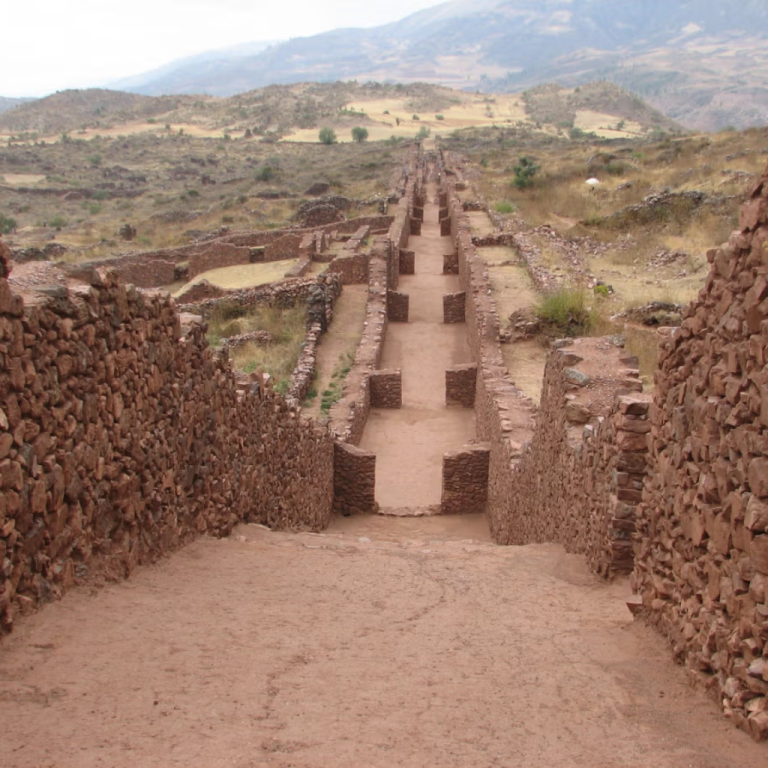
© AgainErick, Wikipedia
New technologies used in archaeological research provide insights into how climate change has long-changed empires and societies.
One thousand years ago, the population of Pikillaqta in southern Peru abandoned their homes and left the city to ruin.
This had been the greatest city of the Wari, a culture that dominated the region before the rise of the Inca. It had taken over 5,000 people more than 12 years to build this carefully planned city, and for nearly four centuries it had stood as a place of ceremony and administration—a symbol of Wari power. Then, it was nothing.
Why the Wari abandoned Pikillaqta has long puzzled archaeologists. War, disease or a lack of water have all been suggested, but there was no agreement. Now, writing in the journal Geoarchaeology, Briant García of Peru’s Instituto Geológico Minero y Metalúrgico and colleagues have studied the city’s surviving structures and surrounding landscape, and finally revealed Pikillaqta’s probable fate: nature was to blame.
Related articles
The Art Newspaper
- Collapse of ancient Maya civilisation coincided with 13-year drought (August 2025)
- Explosive volcanic eruption may have led to growth of ancient city of Bolivia (January 2025)
- After a volcanic eruption, ancient Danes offered sun stones to the gods to bring back the light (January 2025)
- Climate change is destroying archaeological sites before we can study them, scientists warn (November 2022)
- Historic churches of Naples are at risk from sinkholes (November 2020)
- Exploding volcano mural could be world's oldest landscape (January 2014)