Climate change is forcing tough choices—how much heritage can we save before it is too late?
The Art Newspaper
March 19, 2026
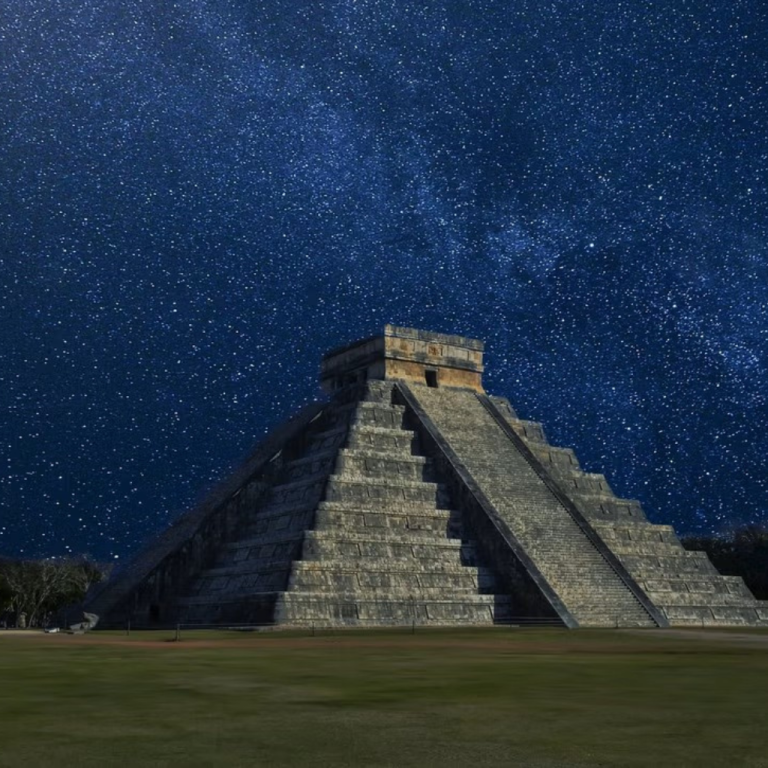
© Walkerssk, Pixabay
As increasingly extreme weather threatens cultural sites, archaeologists are turning to technology to try and record them before they are lost forever.
On South Aulatsivik Island in Canada’s Nain archipelago, the usually chilly temperatures have begun to warm over past decades.
Permafrost—an icy layer that helps to keep archaeology frozen in time—is thawing, placing the island’s heritage at unprecedented risk. Among them is South Aulatsivik 6, a site where the remains of Inuit houses and objects from daily life have long been protected by the freezing conditions.
Now, according to research published in the journal Archaeometry, Rachel Labrie of Université Laval, Canada, and colleagues have used ground-penetrating technology not just to map the site’s archaeology, but to evaluate which spots are most at risk from permafrost thaw.
This novel approach will help Arctic archaeologists to monitor the changing condition of endangered sites and prioritise their excavations accordingly. With the same problem facing the entire Arctic and sub-Arctic zones, such innovative and speedy methods of data collection are now, sadly, a necessity.
Related articles
The Art Newspaper
- Peru's mysterious 'bands of holes' site may have been bustling marketplace (November 2025)
- Ancient Andean hunting traps in Chile revealed by satellite imagery (October 2025)
- Analysis of ancient string writing device upends understanding of Inca hierarchy (August 2025)
- Collapse of ancient Maya civilisation coincided with 13-year drought (August 2025)
- More than 100 archaeological structures discovered in the Peruvian Andes (May 2025)
- Explosive volcanic eruption may have led to growth of ancient city of Bolivia (January 2025)
- After a volcanic eruption, ancient Danes offered sun stones to the gods to bring back the light (January 2025)
- Ancient throne room of powerful Moche woman discovered in Peru (October 2024)
- Archaeologists in Peru identified one of the oldest megalithic structures in the Americas (March 2024)
- Layout of ancient stilt village in the Amazon may have been based on Pleiades star cluster (August 2023)
- 'Thunder floor' found at ancient Andean site in Peru (July 2023)
- Ancient ritual complex uncovered in Peru (February 2023)
- Machu Picchu may be decades older than previously thought (August 2021)
- How a ceremonial shrunken head, held by a US university for decades, was finally returned to Ecuador (May 2021)
- Mummified llamas, sacrified to the gods by Incas, uncovered by archaeologists in Peru (October 2020)
- High school student leads archaeologists to lost Inca settlement (September 2020)
- Exploding volcano mural could be world's oldest landscape (January 2014)