Ancient Egyptian queen’s statues were not destroyed out of hatred but ‘deactivated’, study finds
The Art Newspaper
June 23, 2025
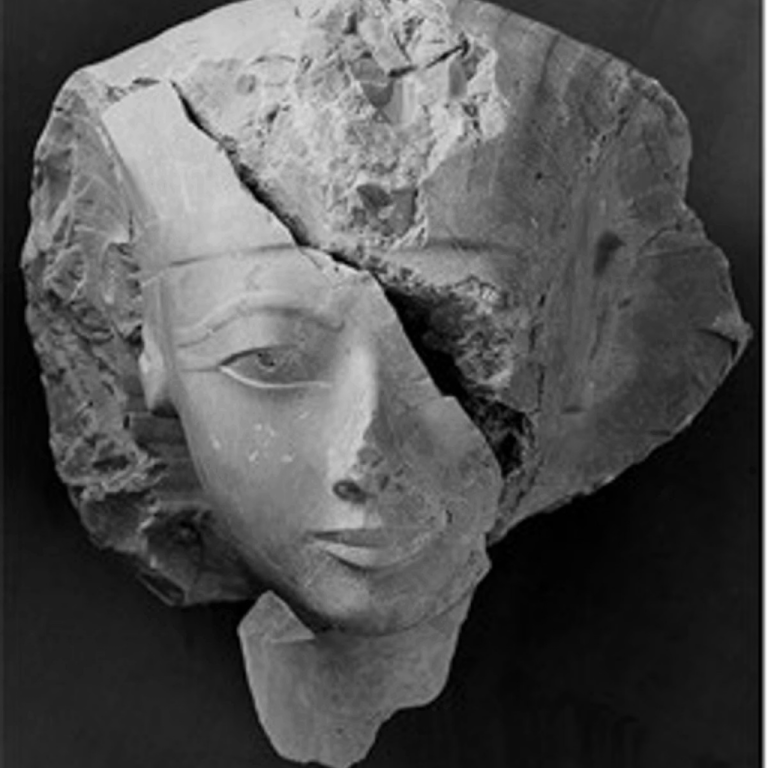
© Department of Egyptian Art Archives, the Metropolitan Museum of Art. Antiquity Publications Ltd, Jun Yi Wong
Jun Yi Wong from the University of Toronto analysed broken statues of the pharaoh Hatshepsut and found that—contrary to some previous scholarship—they appear to have been damaged for “pragmatic and ritualistic reasons”
An archaeologist has studied broken statues of Queen Hatshepsut—one of the few women to rule as an Egyptian pharaoh, 4,000 years ago—and found that they were not attacked during the persecution of her memory, as previously believed, but ritually “deactivated”.
The statues were excavated during the 1920s at the ancient site of Deir el-Bahri in Luxor, 500km south of Cairo.
“Because these statues were discovered in highly fragmentary condition, it was assumed that they must have been violently broken up by Thutmose III (her nephew and successor), perhaps due to his animosity towards Hatshepsut,” says Jun Yi Wong from the University of Toronto and author of the research paper, published in the journal Antiquity.
Related articles
Thames and Hudson
Pen & Sword
The Art Newspaper
- Four things you probably didn't know about Tutankhamun's mask (October 2022)
- Decoded Maya Hieroglyphs reveal the name of powerful woman ruler: 'Lady Yopaat' (July 2020)
- Did women control the bloodline in ancient Chaco canyon? (February 2017)
- Egyptian princess sculpture unearthed in Luxor (March 2014)
Unseen Histories
Rawi: Egypt's Heritage Review
- What did Egypt's Pharaoh do Each Day? (December 2013)
- The Curious Tale of King Seqenenre Tao (July 2013)
- Akhenaten's Akhetaten: a day at Tell el-Amarna (June 2012)
Apollo Magazine